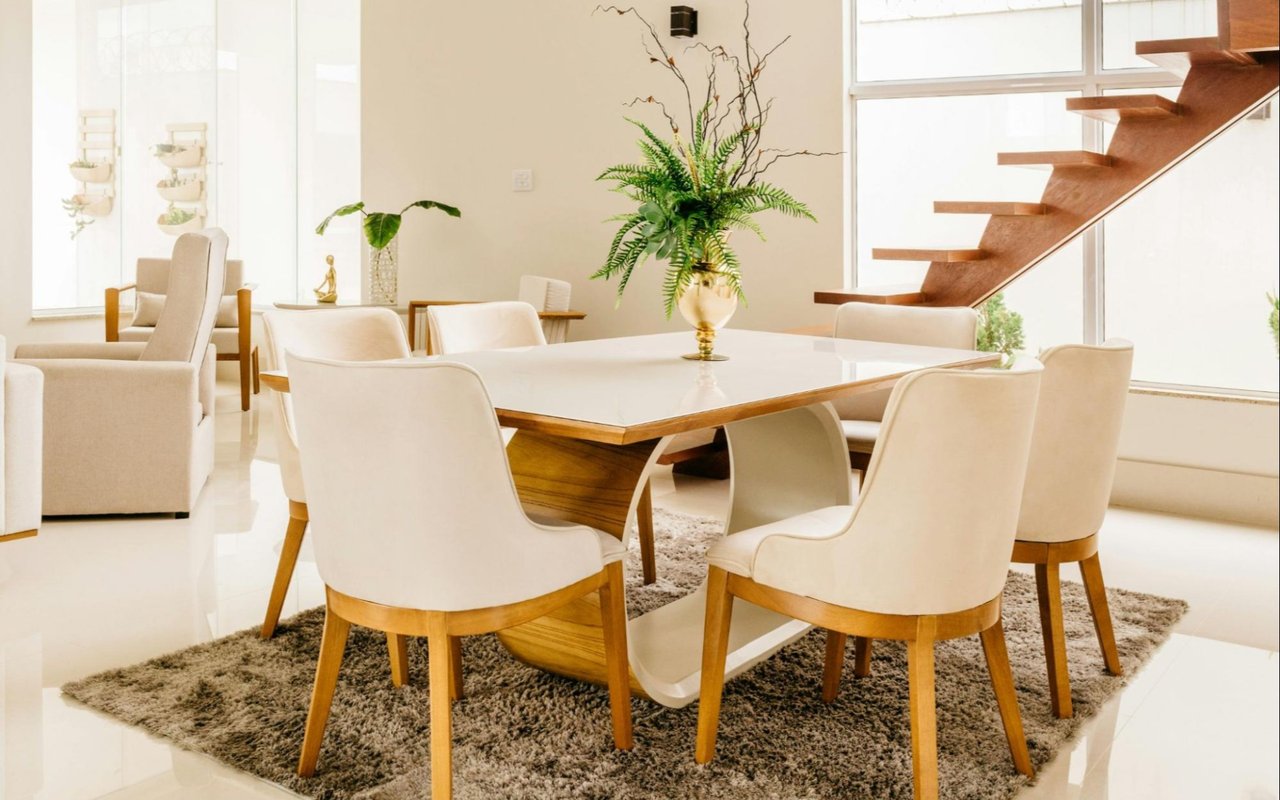
A home can look beautiful and still feel restless. Noise carries down hallways, light spills in at the wrong time, and temperature swings make it hard to get comfortable. Over time, small environmental details add up, shaping how easily the mind settles and how deeply the body recovers overnight. Creating a more sleep-supportive home is not about turning every room into a wellness retreat. It is about making thoughtful adjustments that reduce stimulation, support comfort, and build routines into the spaces you use every day.
The best part is that many of these changes are approachable. Some are simple tweaks, while others are longer-term improvements that can enhance both daily living and the overall value of your home. If you are exploring how to design a sleep-friendly home, it helps to start with what most often interrupts sleep: light, sound, temperature, and mental clutter.
Start With a Bedroom That Feels Visually Quiet
A bedroom should signal rest the moment you walk in. Visual clutter, bold patterns, and too many competing décor elements can keep the brain engaged when it should be winding down. A calmer space begins with editing. Remove items that do not serve the room’s purpose, especially piles, open shelving with mixed objects, and excess furniture that narrows walkways.
Color matters, but it does not need to be prescriptive. The goal is a palette that feels soft and cohesive. Neutral tones, muted shades, and natural materials tend to create that effect. Consistency across bedding, window treatments, and rugs helps the room feel intentional rather than busy. Even small choices, like matching wood tones or limiting the number of metals in sight, can make the space feel more settled.
Color matters, but it does not need to be prescriptive. The goal is a palette that feels soft and cohesive. Neutral tones, muted shades, and natural materials tend to create that effect. Consistency across bedding, window treatments, and rugs helps the room feel intentional rather than busy. Even small choices, like matching wood tones or limiting the number of metals in sight, can make the space feel more settled.
Control Light With More Precision
Light is one of the most common disruptors of sleep, and it is also one of the easiest to manage. Start with window treatments. Layering can be especially effective, such as pairing shades with drapery to reduce light leaks. For bedrooms that face streetlights or early sunrise, room-darkening options can make a meaningful difference without changing the room’s style.
Indoor lighting matters just as much. Bright overhead fixtures can feel harsh at night, even if the bulbs are warm. Consider adding bedside lamps or wall sconces that provide a softer, lower-level light. Dimmers can help adjust light gradually, which supports a calmer transition into sleep. Maintaining consistent lighting throughout the evening helps reduce the sensation of a sudden shift from activity to darkness.
Indoor lighting matters just as much. Bright overhead fixtures can feel harsh at night, even if the bulbs are warm. Consider adding bedside lamps or wall sconces that provide a softer, lower-level light. Dimmers can help adjust light gradually, which supports a calmer transition into sleep. Maintaining consistent lighting throughout the evening helps reduce the sensation of a sudden shift from activity to darkness.
Reduce Sound That Travels Through the House
Sound is often underestimated because it is not always obvious until the house is quiet. HVAC cycling, footsteps, plumbing, and outdoor activity can all become more noticeable at night. Improving sound comfort can be as simple as adding rugs, heavier curtains, or upholstered furniture that absorbs noise. Bedroom placement matters too. If possible, keep sleeping spaces away from high-traffic areas like kitchens, laundry rooms, and main living rooms.
For longer-term improvements, consider door upgrades and sealing gaps. A solid core door can reduce noise compared to hollow options. Adding weatherstripping or door sweeps can lessen sound transfer and also improve temperature stability. If windows are older, upgrading them can help with both sound reduction and energy efficiency, which supports more consistent nighttime comfort.
For longer-term improvements, consider door upgrades and sealing gaps. A solid core door can reduce noise compared to hollow options. Adding weatherstripping or door sweeps can lessen sound transfer and also improve temperature stability. If windows are older, upgrading them can help with both sound reduction and energy efficiency, which supports more consistent nighttime comfort.
Make Temperature and Air Quality More Stable
Many people sleep best in a slightly cooler room, but temperature preference varies. The bigger issue is inconsistency. A room that swings from warm to cold can lead to wakeups and restlessness. Check airflow first. Ensure vents are open and unobstructed, and verify that the room’s temperature matches the rest of the home. Ceiling fans can help distribute air more evenly, especially in coastal markets where evenings can shift quickly.
Air quality plays a role as well. Dust, humidity, and stale air can affect breathing and comfort. Regular filter changes, a well-maintained HVAC system, and thoughtful ventilation make a difference. In humid seasons, a dehumidifier can support comfort and reduce that heavy feeling at night. In dry seasons, a humidifier may help, especially for those sensitive to dryness.
Air quality plays a role as well. Dust, humidity, and stale air can affect breathing and comfort. Regular filter changes, a well-maintained HVAC system, and thoughtful ventilation make a difference. In humid seasons, a dehumidifier can support comfort and reduce that heavy feeling at night. In dry seasons, a humidifier may help, especially for those sensitive to dryness.
Create a Gentle Boundary Between Work and Rest
Modern life makes it easy for the bedroom to become an overflow space. Laptops on nightstands, workout equipment in corners, and storage bins tucked under the bed all blur the line between activity and rest. If you are serious about learning how to design a sleep-friendly home, one of the most helpful steps is creating boundaries.
If the home allows it, keep work tasks outside the bedroom. Set up a small desk in a quiet corner elsewhere or create a dedicated spot for charging devices. If the bedroom must serve multiple functions, use zoning. A screen, a bookshelf, or even a rug placement can visually separate the sleeping area from other uses. The more clearly the room communicates its purpose, the easier it is for the mind to follow.
If the home allows it, keep work tasks outside the bedroom. Set up a small desk in a quiet corner elsewhere or create a dedicated spot for charging devices. If the bedroom must serve multiple functions, use zoning. A screen, a bookshelf, or even a rug placement can visually separate the sleeping area from other uses. The more clearly the room communicates its purpose, the easier it is for the mind to follow.
Restful Living and Smart Real Estate Decisions in Del Mar
A home that supports better sleep often supports better living overall, and those comfort-driven details can influence long-term value in subtle ways. The Guiltinan Group helps clients in Del Mar, CA, evaluate homes not just for style, but also for how they function day-to-day and how they fit into changing needs over time. For guidance on buying or selling with a clear view of comfort, lifestyle, and market positioning, connect with The Guiltinan Group today. You may also check Del Mar, CA homes for sale today!
*Header image courtesy of Unsplash
*Header image courtesy of Unsplash